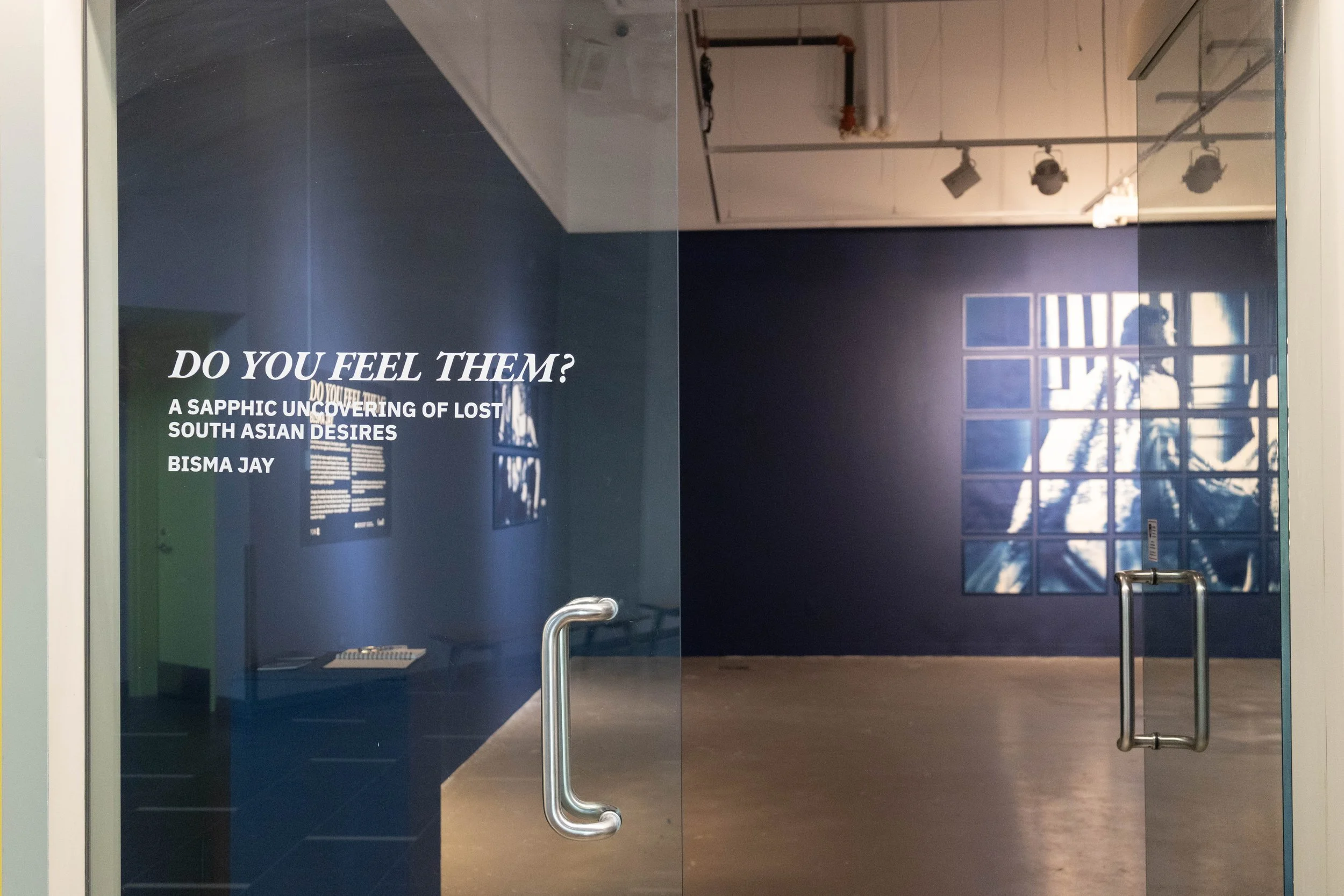
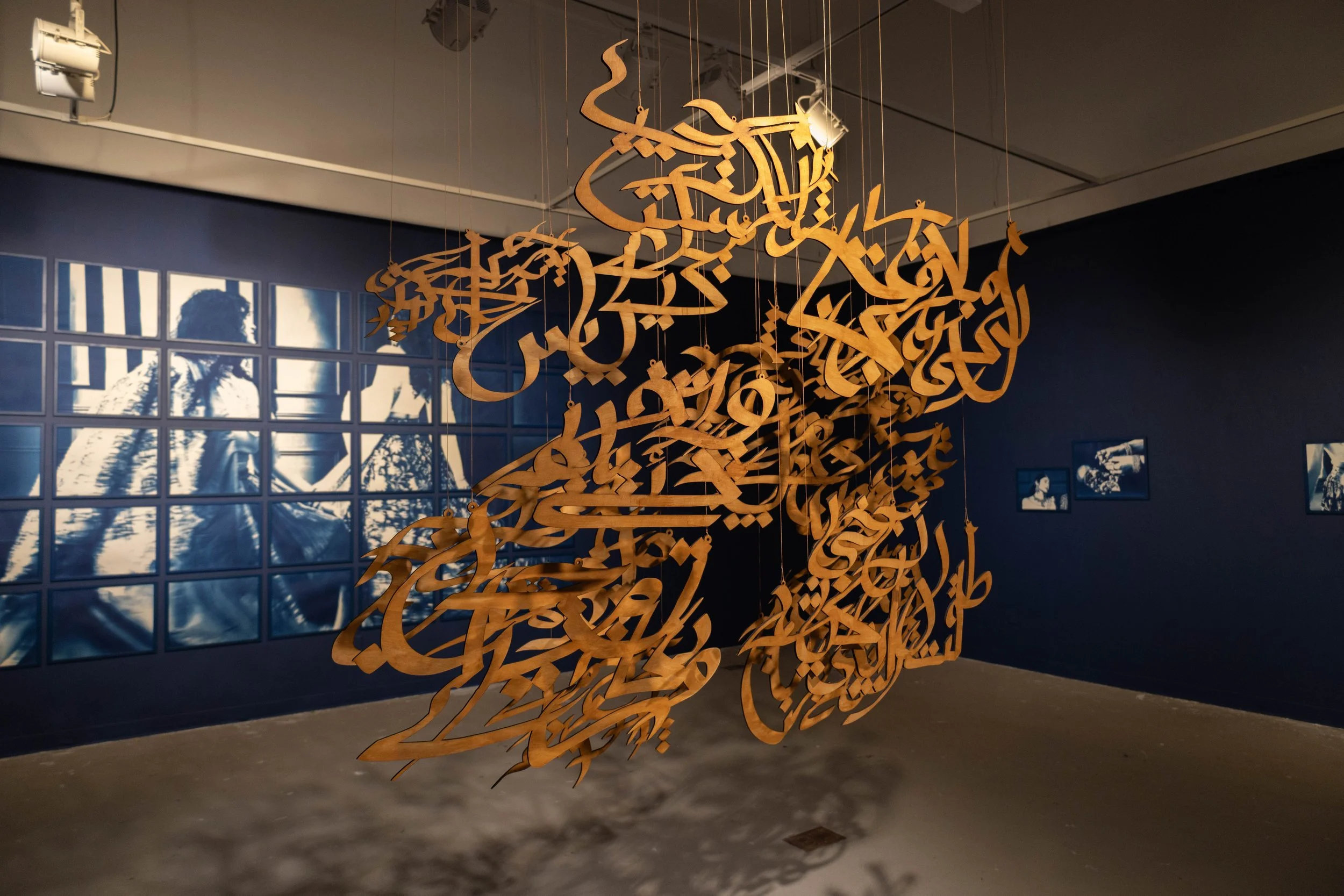
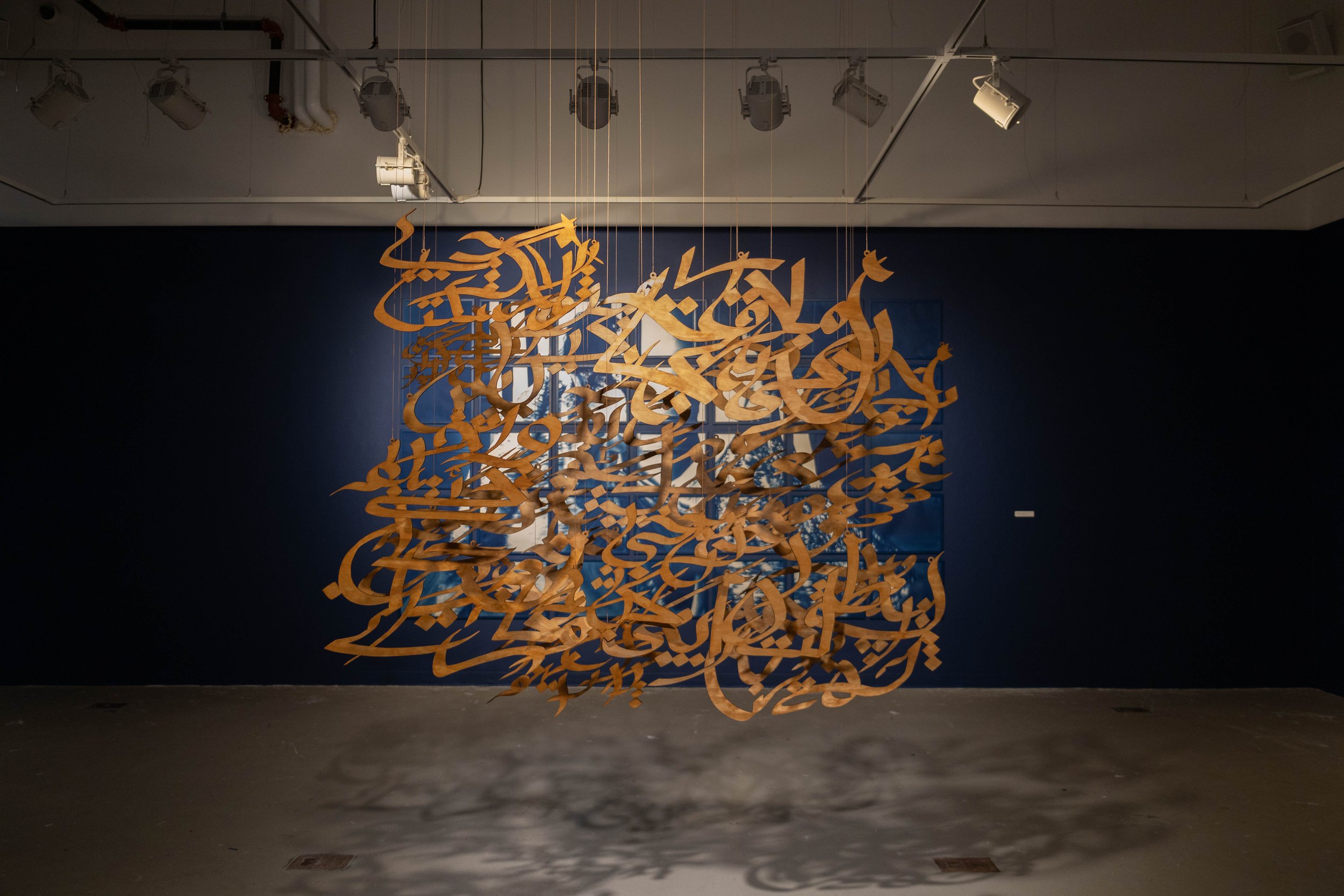
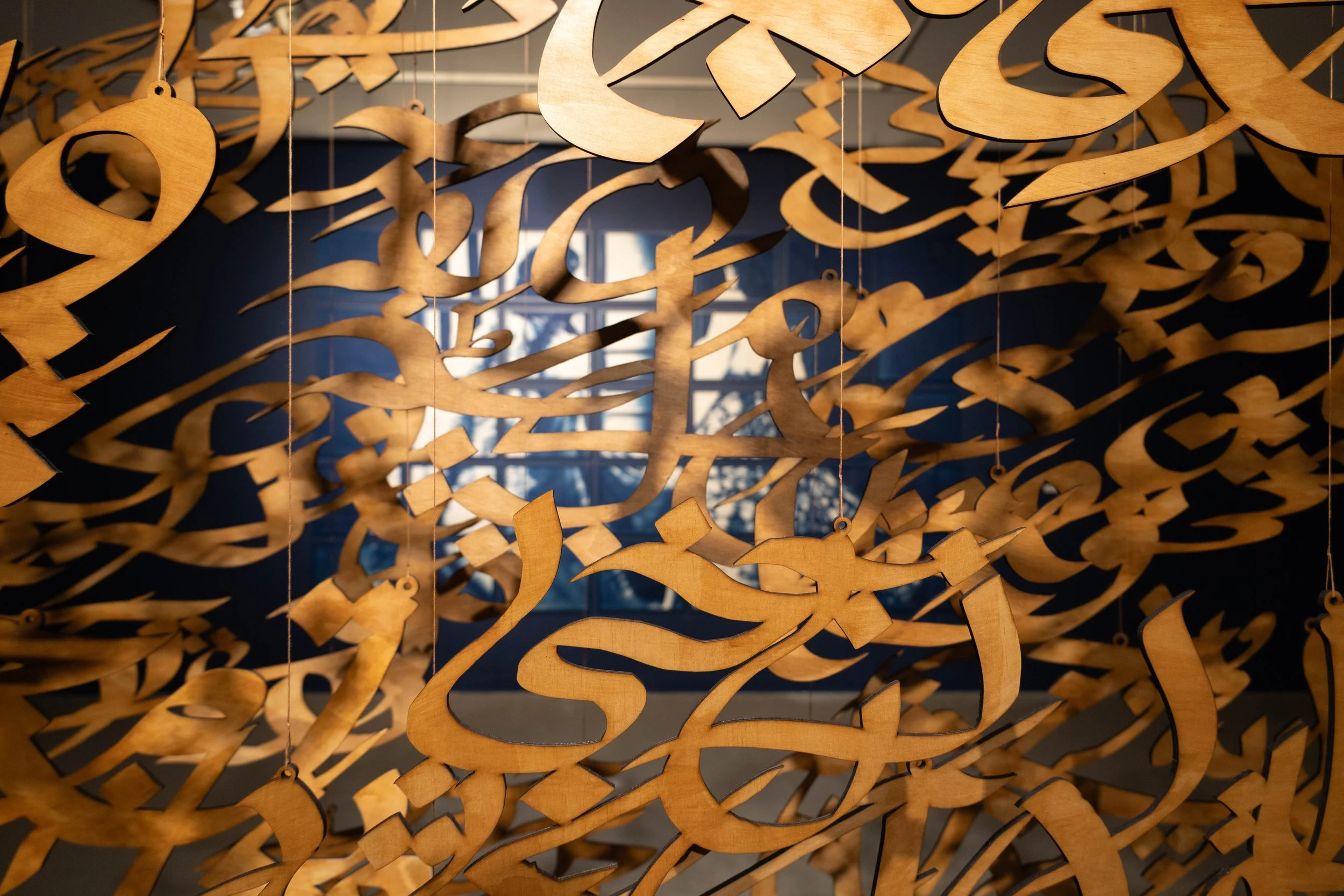
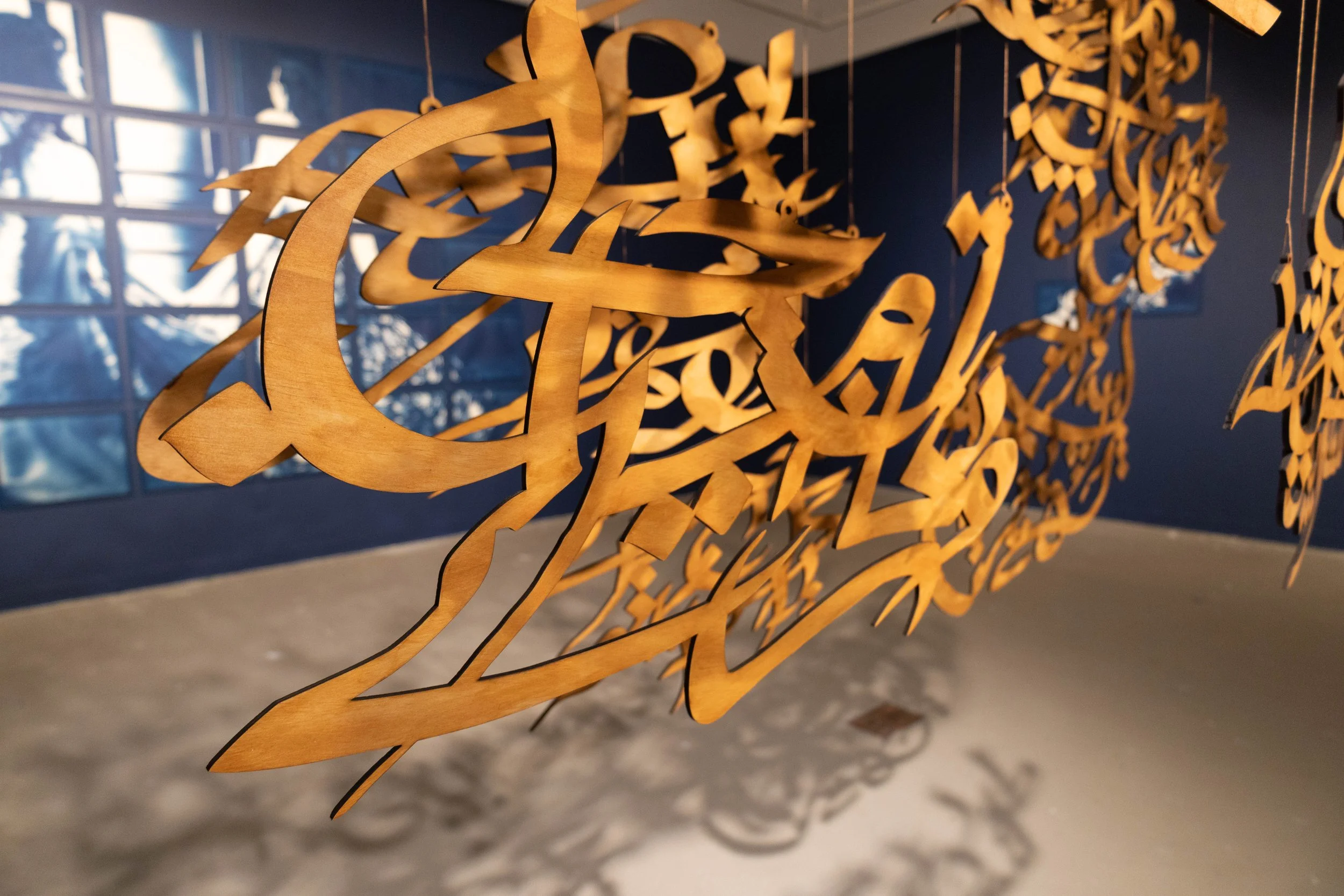
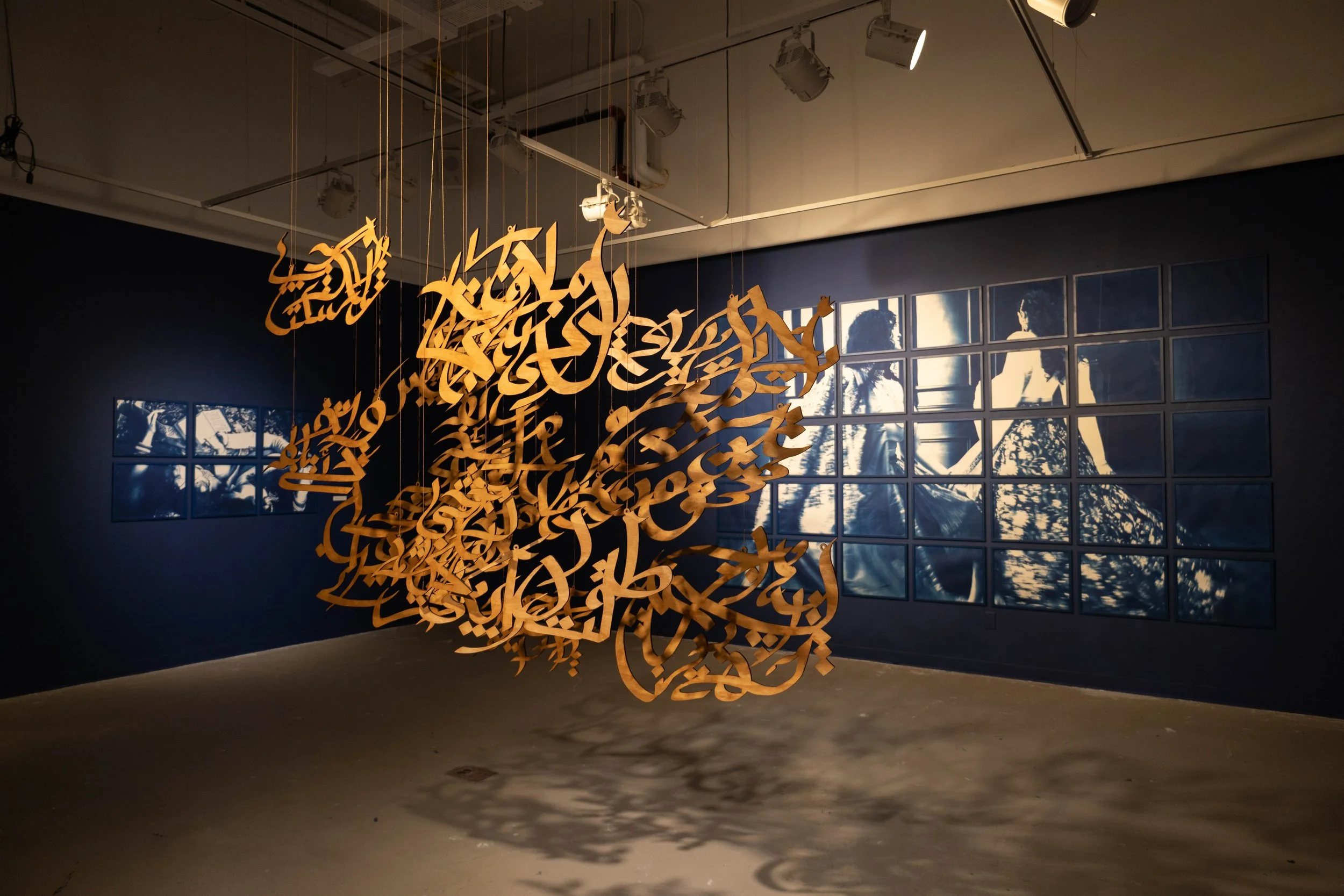
Do You Feel Them?

I want to begin with a memory, although at the time it wasn’t mine. It’s a story my mother told me.

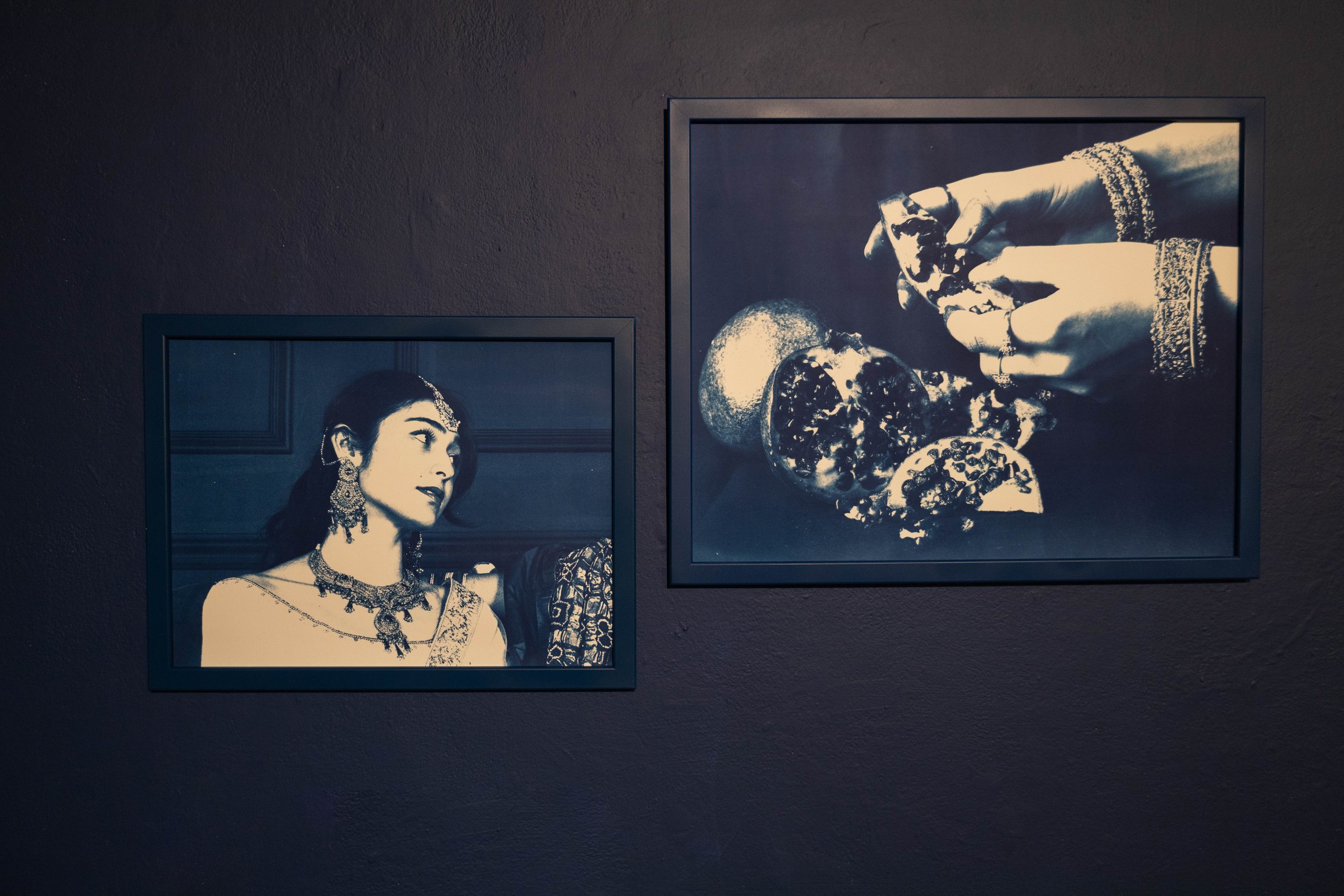
It’s 1998, somewhere in northern England. A doctor tells my mother for the second time that her baby looks “abnormal” and asks if she would like to terminate the pregnancy. She refuses. Instead, my parents travel to Mecca to perform Hajj, praying for a child they have not yet met. I imagine them circling the Kaaba seven times, and I think about how, years later, I move through my cyanotype process in a similar rhythm: coating, exposing, washing. By coincidence, it also unfolds in seven steps.

When I was born, I resisted the world. A doctor pulled my blue body out with forceps, and I took my first breath. I spent my first days alone in an incubator, surrounded by fluorescent light and mechanical hum. Lauren Fournier writes that autotheory emerges when the “auto” (the lived, embodied, complicated subject) becomes inseparable from theory. For me, the incubator is not just a story from the past; it’s an origin point for how I’ve existed in the world. Cyanotype, too, is a process shaped by vulnerability, exposure, light, and water.

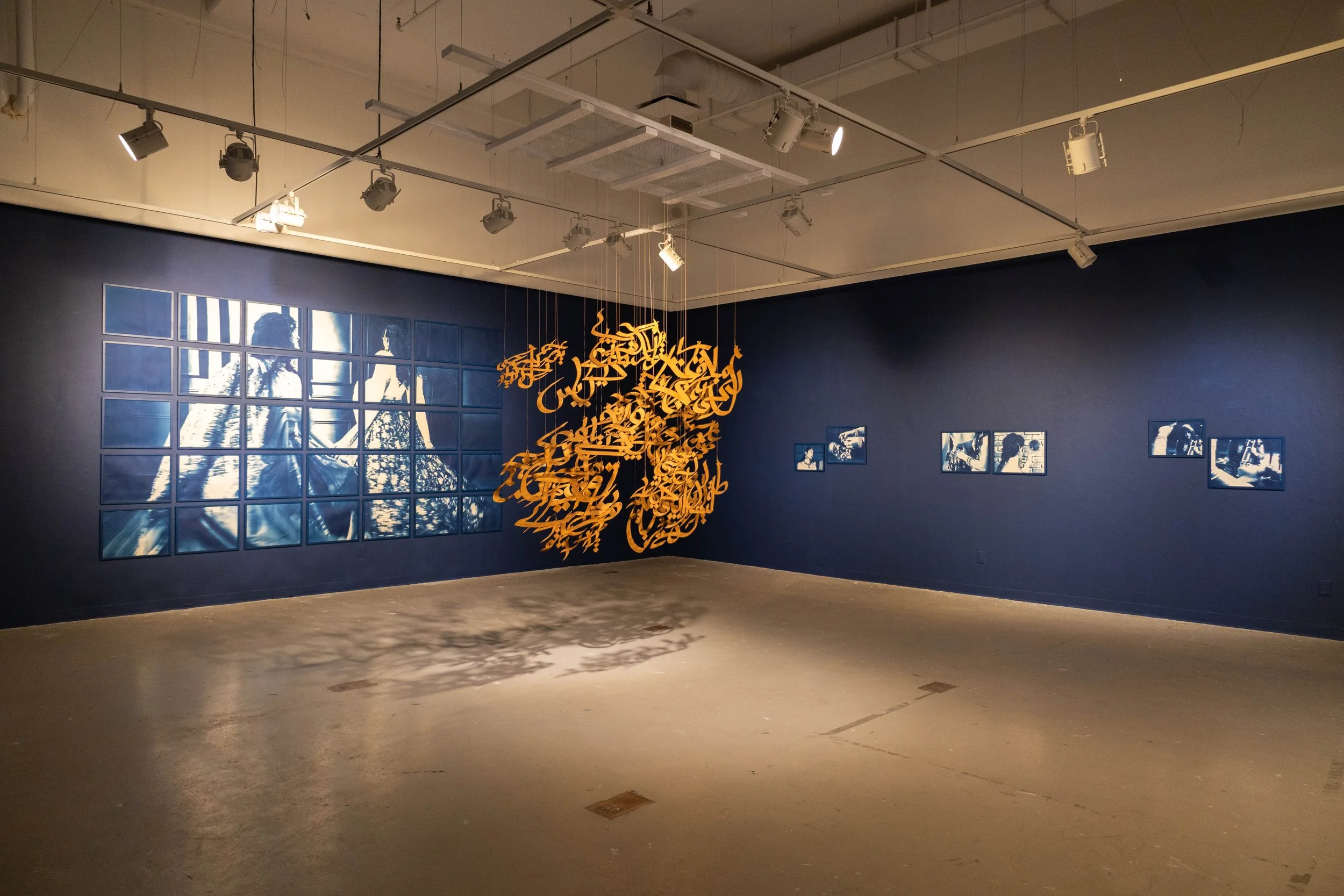
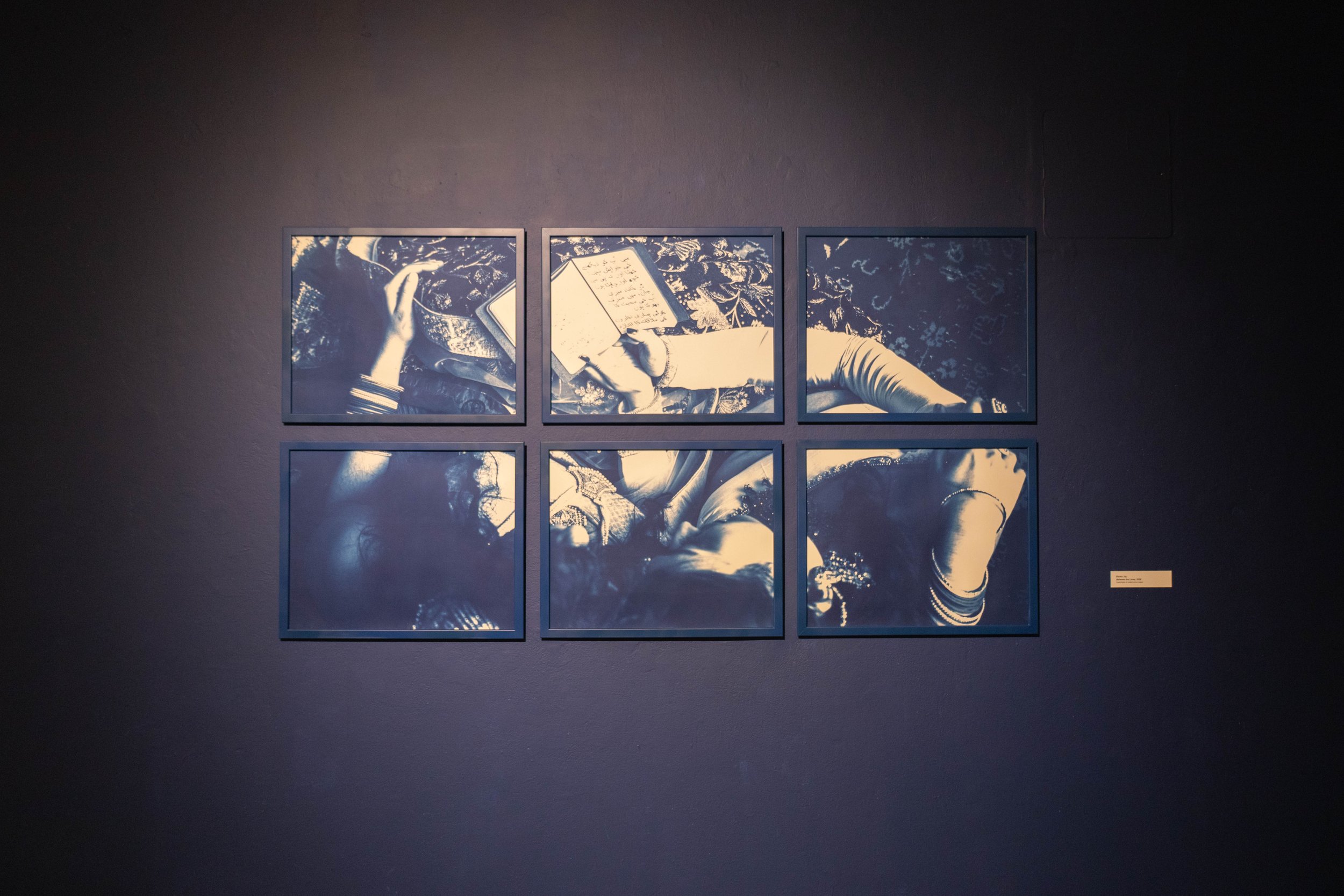
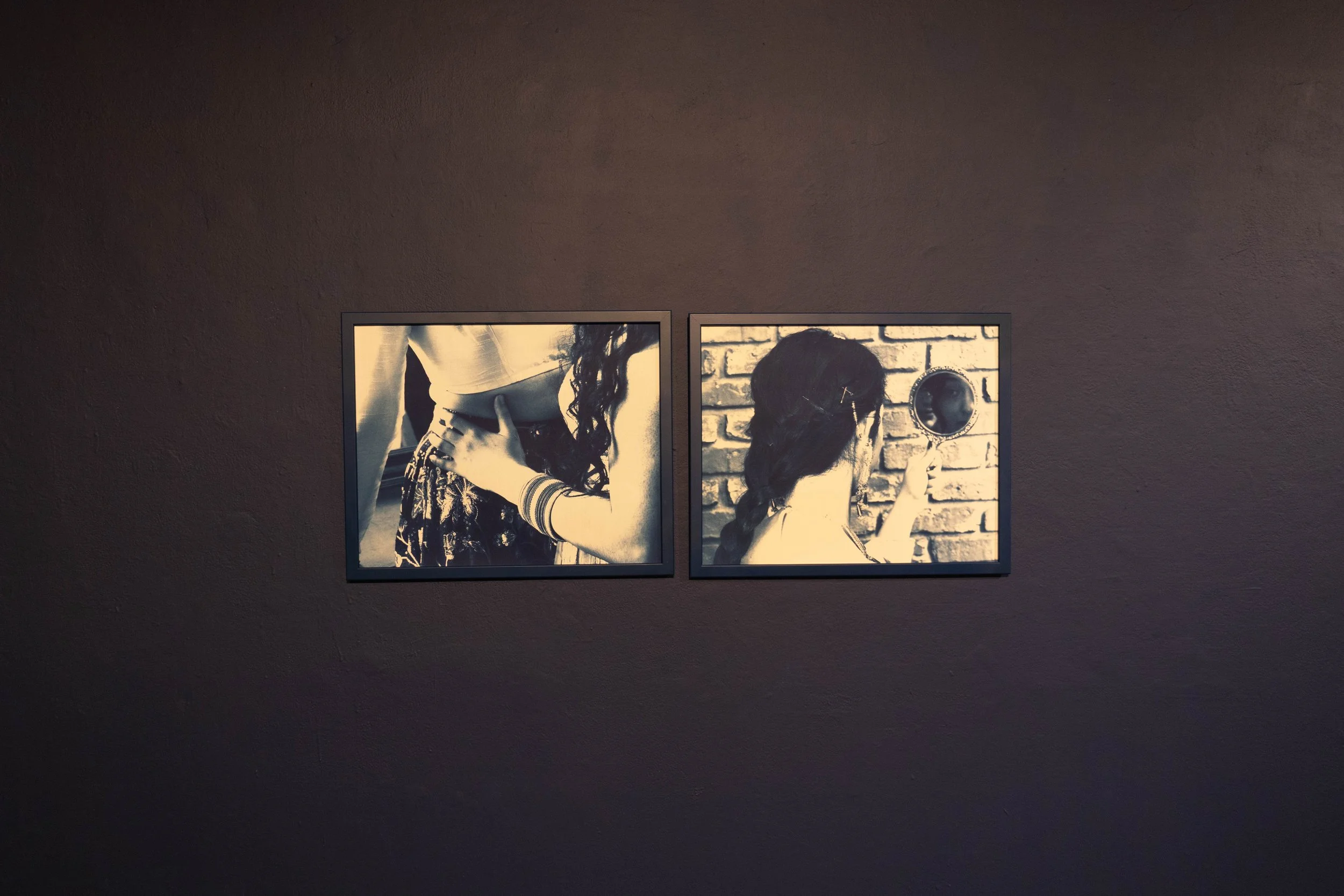
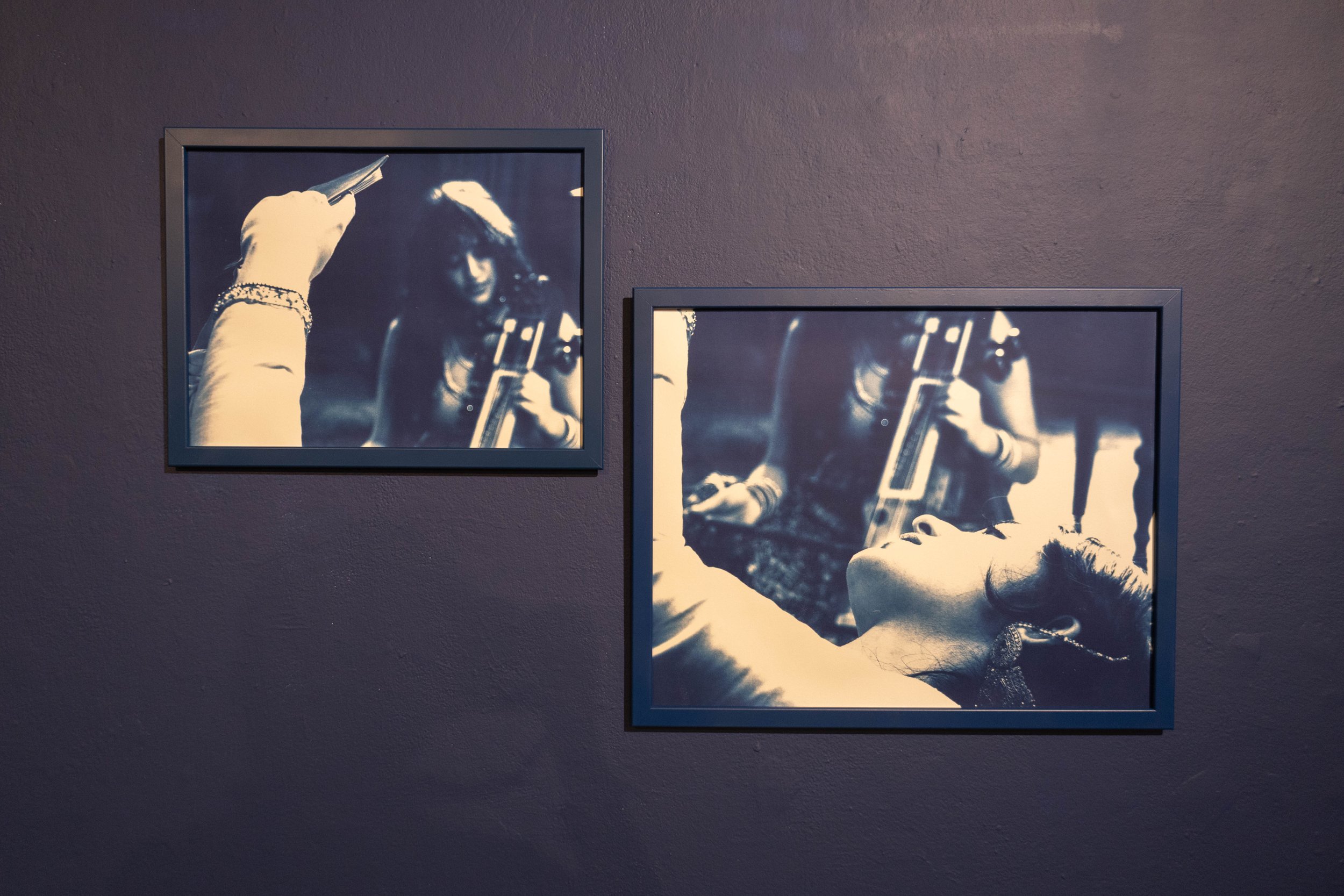
Making cyanotypes is deeply physical. Every print is touched, coated twice, exposed, washed, bathed in hydrogen peroxide, then washed again. When I choose cyanotype over inkjet printing, I am choosing a process that depends on my body. Inkjet printing feels distant and automated. Cyanotype requires participation: hands in water, attention to light, time spent waiting. Each print becomes a record of presence rather than reproduction. This mirrors how I approach family stories – slowly, returning again and again to uncertainty, letting something emerge through repetition.

As I grew older, I began searching for proof that I wasn’t the only South Asian person who was queer. I was often told that queerness and transness were “Western concepts”, that people like me did not exist back home. But one of my earliest memories of queerness is not from Canada. It’s from Panjab.

It’s 2007. I’m nine years old at the bazaar when I see a trans woman for the first time. In my memory, she’s dressed in blue. Her presence unsettled everything I had been taught. She cracked open the narrative of where queerness belongs. She was not invisible. I saw her.

But seeing her also made me aware of another absence – the lack of history behind her. The stories interrupted by empire. The lives that were never fully recorded. This is where Saidiya Hartman’s theory of critical fabulation becomes essential for me: a way of working with archival gaps through ethical imagination, without pretending to recover what cannot be known. The archive of queer and trans life in South Asia exists in fragments – poetry, miniature paintings, gossip. It whispers more than it speaks.

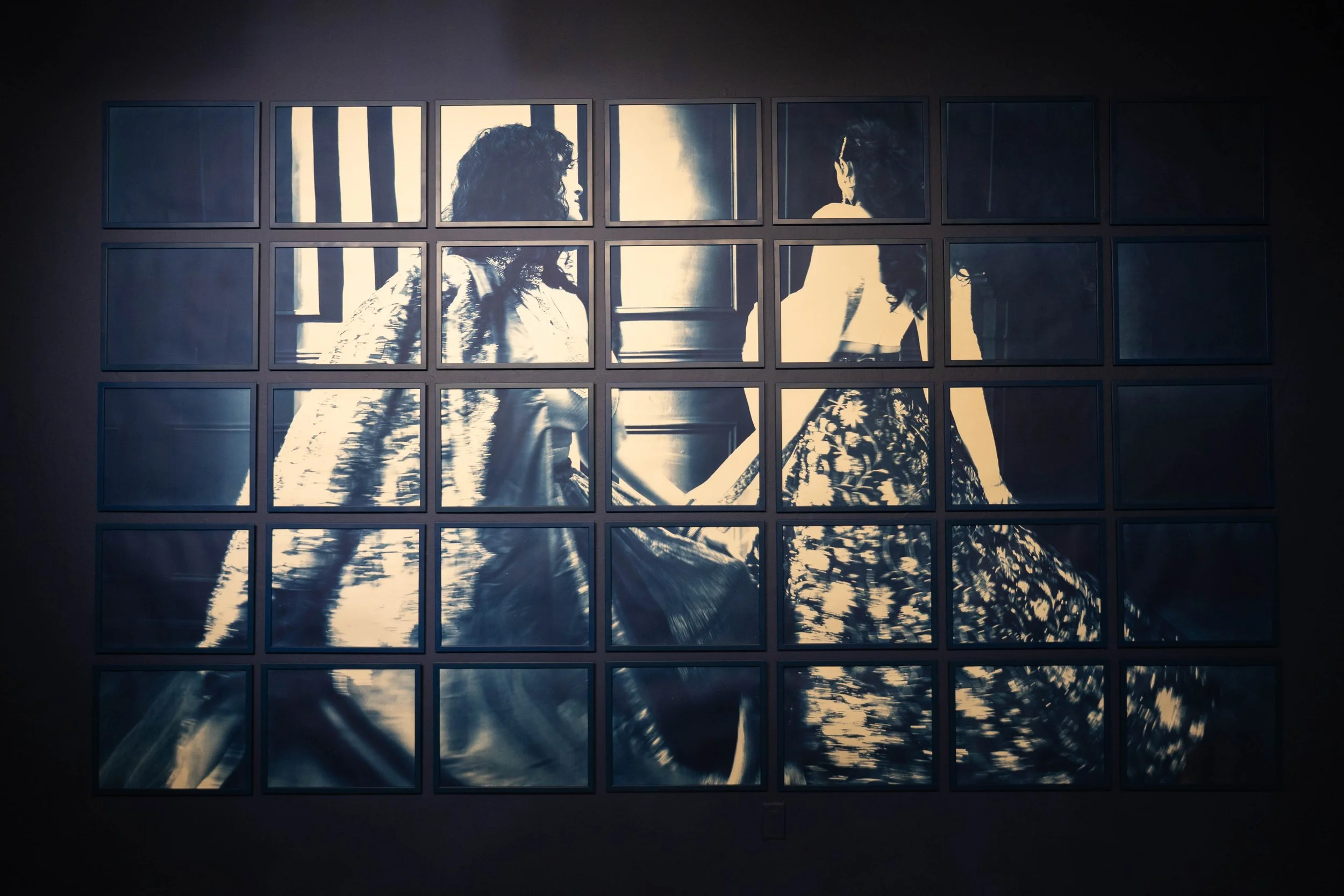
Each cyanotype panel becomes one of those whispers. A fragment. A clue. Together, they form a speculative lineage; emotionally and historically attentive rather than strictly factual.

Throughout my life, I’ve felt a presence around me – whispers I couldn’t decipher. Not ghost stories or hallucinations, but a quiet sense of something just beyond visibility. Reading Stephanie Springgay helped me understand this as feltness: knowledge that moves through sensation, intuition, and embodied attention. These whispers are part of my embodied archive.

In 2016, after taking a dangerous mix of drugs, the whispers turned into screams. I lost consciousness and dreamt of someone dragging my blue body through a dark tunnel, whispering words I almost understood. I woke up to CPR, taking what felt like my second first breath. I share this not for shock, but because it shaped how I understand memory, presence, and how the body remembers what the mind cannot.

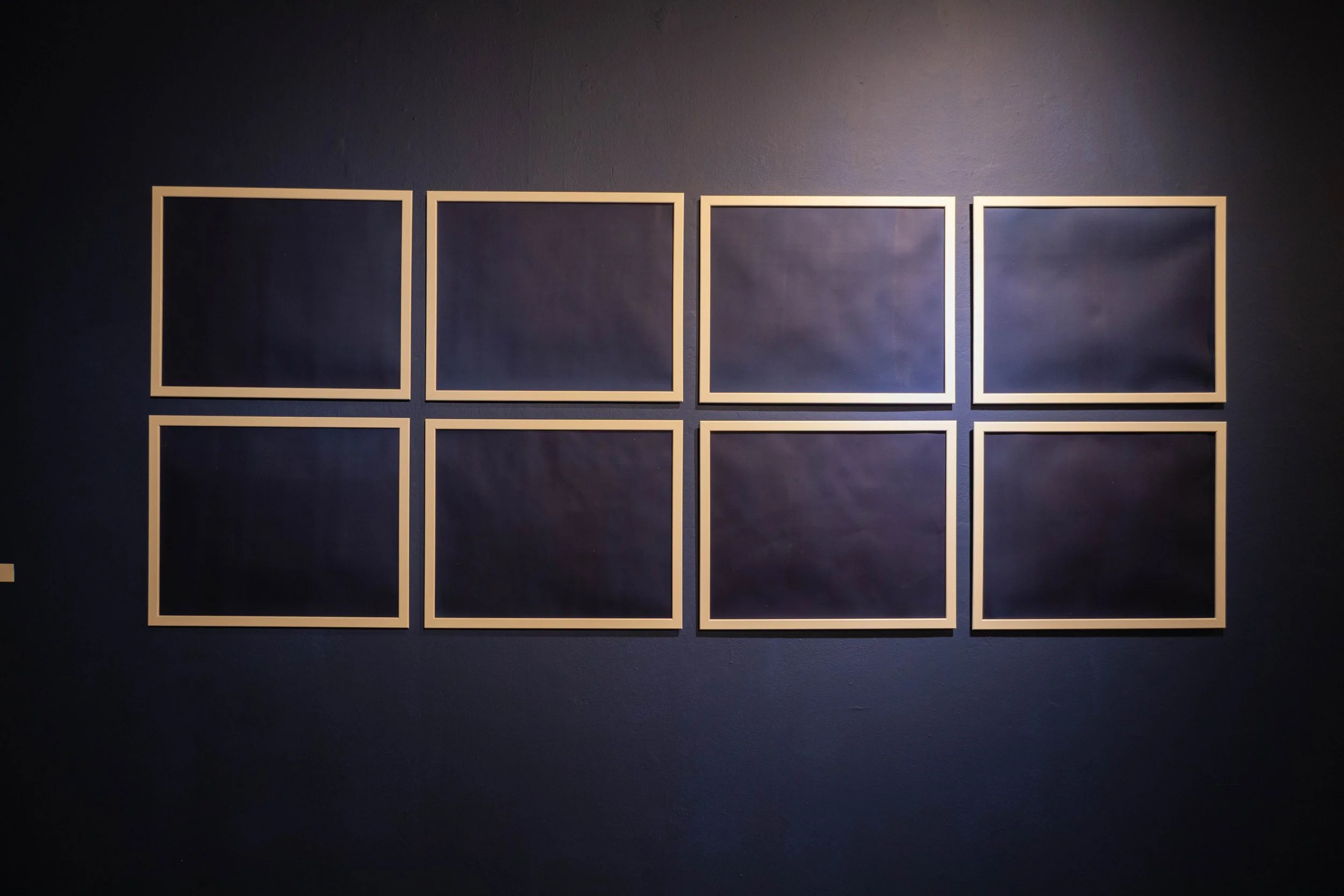
Some cyanotypes hold barely visible marks – blurred silhouettes, streaks of light. At first, I thought they were mistakes. Over time, I began to read them as presences. Not messages, but traces.

Cyanotype is a process of partial visibility – what stays, what washes away, what transforms. Like memory. Like history.

Do You Feel Them? is ultimately an invitation.
To consider what it means to inherit stories that were never written down.
To ask whether feeling can be a form of research.
Whether ancestors can be collaborators.
And whether fragments might be enough.